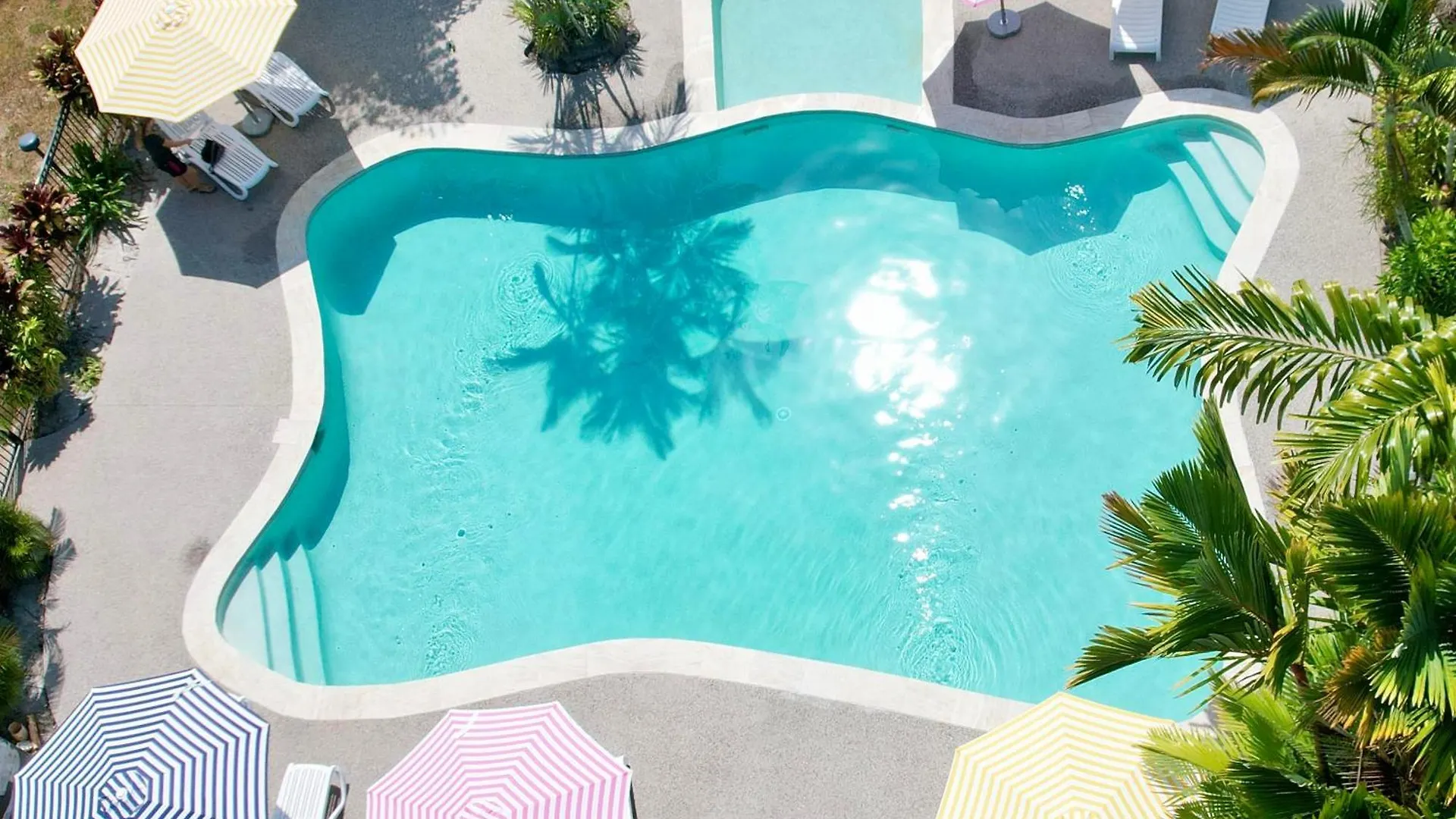
Australia and Oceania offer one of the widest ranges of family-friendly accommodation on the planet - from beachfront resorts on the Whitsundays to mountain retreats near the Blue Mountains. With over 15 properties spread across New South Wales, Queensland, Victoria, Western Australia, South Australia, Tasmania, and the Northern Territory, this guide cuts through the noise to help families find the right base for their trip - whether that means a self-contained apartment near a reef, a coastal village guesthouse, or a resort with a kids' pool and daily activities.
What It's Like Staying in Australia and Oceania with Family
Australia's sheer size is the defining factor for family travel planning - driving between regions can take days, so choosing your base wisely matters more than almost anywhere else in the world. Coastal destinations like Mission Beach, Mollymook, and Airlie Beach offer calm, manageable environments where kids can move between beach, pool, and local restaurants without needing a car every time. Crowds are concentrated between December and January, particularly in Queensland and along the New South Wales coast, so families travelling outside school holidays will find significantly quieter conditions and better room availability.
Pros:
- Enormous variety of family accommodation types - from resort apartments to self-contained villas and holiday parks - giving families genuine flexibility on budget and space
- Most coastal destinations have calm swimming beaches, national park access, and wildlife encounters built into the local area, reducing the need to pay for organised excursions
- Self-catering kitchenette options are widely available, allowing families to manage meal costs and dietary needs without relying entirely on restaurants
Cons:
- Distances between attractions in remote locations like Exmouth (Ningaloo Reef) or Devonport (Tasmania) require a hire car - public transport is limited or non-existent in these areas
- Peak school holiday pricing can push accommodation costs up significantly at coastal resorts, especially in Queensland and Victoria
- Around 30% of highly-rated family properties are located more than 45 minutes from a major airport, which adds meaningful transfer costs and travel time with children
Why Choose Family-Friendly Hotels in Australia and Oceania
Family-friendly hotels across Australia and Oceania tend to offer a noticeably higher standard of practical amenities compared to standard hotel categories - including separate sleeping areas, full kitchen or kitchenette facilities, outdoor pools designed for children, and on-site entertainment that reduces the pressure on parents to constantly organise activities. In a country where a family of four eating out for every meal can easily spend over $200 AUD per day on food alone, the availability of self-catering apartments and kitchen-equipped villas makes a material difference to the overall trip budget. Properties in this category range from 3-star holiday parks with beachfront access to 5-star resorts with award-winning restaurants.
The gap between a standard double room and a family apartment is especially pronounced in Australia, where many family-rated properties offer two-bedroom configurations or adjoining rooms that give parents genuine privacy after bedtime. Tour desks operating within these properties - common across the Queensland and Northern Territory options listed here - add particular value by simplifying access to reef cruises, wildlife tours, and scenic flights without requiring families to pre-book externally.
Pros:
- Many family properties include self-contained kitchens or kitchenettes, reducing daily food costs substantially compared to eating out for every meal
- On-site pools, barbecue areas, games rooms, and tour desks are standard across well-rated family properties, reducing the need to leave the property for entertainment
- Properties across multiple Australian states give families the option to build multi-destination itineraries without sacrificing accommodation quality at each stop
Cons:
- Family rooms and two-bedroom apartments at popular coastal resorts book out around 8 weeks in advance during Australian school holidays - last-minute availability is rare
- Some family-rated properties in regional areas have limited dining options on-site and nearby, which is a real constraint for families with young children arriving after hours
- Resort fees and paid shuttle services are not always included in the listed room rate, adding unexpected costs at checkout
Practical Booking & Area Strategy for Family Travel Across Australia
Families planning a multi-stop Australian itinerary should anchor their routing around Queensland's coast - Airlie Beach and Mission Beach sit within driving distance of each other and provide direct access to the Whitsundays and the Great Barrier Reef, two of the country's top family experiences. For families based in Sydney, the Blue Mountains and Hawkesbury Valley (Windsor) are reachable within 45 minutes by road and offer a dramatically different environment from the city without requiring a flight. Families visiting Western Australia should plan at least 4 nights in Exmouth to justify the distance from Perth - the drive to Cape Range National Park and snorkelling on Ningaloo Reef require full days and cannot be rushed. In Victoria, the Great Ocean Road corridor - anchored by Lorne and the Bellarine Peninsula - is manageable for families driving from Melbourne, with Point Lonsdale sitting around 100 kilometres from the CBD. Dandenong, southeast of Melbourne, functions best as a practical base rather than a destination itself - families using it should plan to access the Dandenong Ranges and Yarra Valley rather than staying in the suburb. In South Australia and Tasmania, hiring a car is non-negotiable for families - both Hackham (near Adelaide) and Devonport (Tasmania) require independent transport to reach beaches, national parks, and key attractions.
Best Value Family Stays
These properties deliver strong practical value for families - combining self-catering facilities, outdoor space, and direct access to beaches or natural attractions at accessible price points across New South Wales, Queensland, Victoria, South Australia, and Tasmania.
-
1. Mission Beach Hideaway Holiday Village
Show on map


 Check-infrom 14:00 until 21:00Check-outfrom 07:00 until 10:00
Just a few rooms left at the best rate!
fromAU$ 183
-
2. Point Lonsdale Guest House
Show on map


 Check-infrom 14:00 until 22:00Check-outuntil 10:00
Just a few rooms left at the best rate!
fromAU$ 188
-
3. Mick O'Sheas
Show on map


 Check-infrom 14:00 until 23:00Check-outfrom 08:00 until 10:00
Rooms filling fast – secure the best rate!
fromAU$ 181
-
4. Argosy Motor Inn
Show on map


 Check-infrom 14:00 until 20:00Check-outfrom 07:00 until 11:00
Hurry – almost gone at this price!
fromAU$ 107
-
5. Moonta Bay Holiday Park
Show on map


 Check-infrom 14:00 until 23:59Check-outuntil 10:00
Rooms filling fast – secure the best rate!
fromAU$ 171
-
6. Quest Dandenong Central
Show on map


 Check-infrom 14:00 until 22:00Check-outfrom 07:00 until 10:00
Best price guarantee
fromAU$ 211
-
7. Gardners Inn Hotel
Show on map


 Check-infrom 14:00 until 20:00Check-outuntil 10:00
Best price guarantee
fromAU$ 77
Best Premium Family Stays
These properties offer elevated facilities - including award-winning dining, spa access, infinity pools, resort-scale grounds, and direct reef or beachfront access - suited to families who want a higher standard of comfort and don't want to compromise on location or amenities.
-
8. Bannisters By The Sea Mollymook
Show on map


 Check-infrom 14:00 until 21:00Check-outfrom 08:00 until 10:00
Hurry – almost gone at this price!
fromAU$ 1044
-
2. Motel Molly - Boutique Hotel Mollymook
Show on map


 Check-infrom 14:00 until 19:00Check-outuntil 10:00
Hurry – almost gone at this price!
fromAU$ 368
-
10. Mirage Whitsundays
Show on map


 Check-infrom 14:00 until 23:59Check-outuntil 10:00
Rooms filling fast – secure the best rate!
fromAU$ 340
-
11. Ardo
Show on map


 Check-infrom 14:00 until 23:59Check-outuntil 10:00
Hurry – almost gone at this price!
fromAU$ 306
-
5. Mantarays Ningaloo Beach Resort
Show on map


 Check-infrom 14:00 until 23:59Check-outuntil 10:00
Rooms filling fast – secure the best rate!
fromAU$ 256
-
6. Crowne Plaza Hawkesbury Valley By Ihg
Show on map


 Check-infrom 15:00 until 23:59Check-outuntil 11:00
Just a few rooms left at the best rate!
fromAU$ 204
-
7. Cumberland Lorne Resort
Show on map


 Check-infrom 14:00 until 23:30Check-outuntil 10:00
Best price guarantee
fromAU$ 304
-
8. Darwin Freespirit Resort
Show on map


 Check-infrom 14:00 until 23:59Check-outuntil 10:00
Just a few rooms left at the best rate!
fromAU$ 217
Smart Timing and Booking Strategy for Family Travel in Australia
The Australian school holiday calendar is the single most important variable in family hotel pricing and availability. The summer school holidays - mid-December through late January - drive occupancy to near-capacity at coastal properties in Queensland and New South Wales, with rates at beachfront resorts often rising sharply compared to shoulder months. Families with flexibility should target late January through March, when summer weather persists on most of the Australian coast but crowds thin considerably after the school return. The Northern Territory - including Darwin - is best visited between May and September, during the dry season; the wet season (October to April) brings extreme humidity and limited access to some national parks. Western Australia's Exmouth and Ningaloo Reef require advance planning of at least 8 weeks during whale shark season (March to July), when the destination attracts international visitors and accommodation fills rapidly. For Victoria's Great Ocean Road - Lorne, Point Lonsdale - Easter long weekends and the summer period are the most congested; families visiting in autumn find better rates and comparable weather. For Blue Mountains properties like Blackheath and Hawkesbury Valley, autumn (March to May) delivers spectacular foliage and significantly fewer day-trippers from Sydney than the peak summer period. Booking 6 to 8 weeks in advance is the practical minimum for any family room during Australian school holidays at the coastal properties listed in this guide.