Australia and Oceania span an extraordinary range of landscapes - from the Great Barrier Reef corridor and Sunshine Coast beaches to the Snowy Mountains ski fields and Western Australia's remote coastlines. Choosing a centrally located hotel here means something different depending on your destination: it could mean ski-to-door access in Perisher, a beachfront apartment steps from patrolled surf, or a marina-side property in Albany. This guide covers 15 centrally positioned hotels across the region, ranked and grouped to help you decide where to stay based on your actual travel priorities.
What It's Like Staying in Australia and Oceania
Australia and Oceania reward travellers who position themselves well from the start. Distances between attractions are significant - in regional areas like the Whitsundays, Yamba, or Rottnest Island, being centrally located can save around 30 minutes of driving per excursion. Public transport is limited outside major cities, so most travellers rely on cars, resort shuttles, or walking access. Coastal towns operate on a relaxed rhythm, but peak-season foot traffic in spots like Airlie Beach or Lorne can rival urban intensity.
Beachfront and marina-adjacent stays dominate the most-searched accommodation in this region, with guests consistently prioritising ocean access over urban amenities. Regional airports serve most destinations, but transfers are rarely under 30 minutes from the terminal. Families, couples on coastal escapes, and ski-season visitors make up the majority of travellers in these areas, while those seeking nightlife or dense urban infrastructure may find smaller coastal towns underwhelming.
Pros:
- Direct beach or waterfront access is achievable at multiple price points across the region
- Central positioning in towns like Lorne, Coolum Beach, or Jindabyne puts restaurants and trailheads within walking distance
- Resort-style facilities - pools, spas, BBQ areas - are standard even in mid-range coastal properties
Cons:
- Car rental is almost mandatory in regional destinations; public transport connections are sparse or non-existent
- Peak season (December-January on the coast, June-August in ski areas) drives occupancy to near capacity with limited last-minute availability
- Remote locations like Rottnest Island and Port Gregory add ferry or flight logistics that increase total travel time significantly
Why Choose Central Hotels in Australia and Oceania
Centrally located hotels across Australia and Oceania consistently outperform isolated properties on practical value - not just convenience. In a town like Coolum Beach or Yamba, being directly opposite the patrolled beach or within a 10-minute walk of the town centre eliminates the need for a second car transfer after check-in. In ski destinations like Smiggins Holes or Jindabyne, ski-to-door access or a 3-minute walk to lifts is a tangible daily time-saver worth paying a premium for.
Self-contained apartments with full kitchens - extremely common across centrally located Australian coastal resorts - allow families to offset dining costs significantly over a multi-night stay. Room sizes in beachfront apartment-style properties tend to be larger than standard hotel rooms, with 1-to-3-bedroom configurations available at properties like Salt Yeppoon and The Sands Resort at Yamba. The trade-off is that central beachside locations in popular areas can carry weekend noise from nearby restaurants and bars, particularly in Airlie Beach and Lorne during summer.
Pros:
- Walking access to beaches, ski lifts, or town centres removes daily transport friction
- Self-contained kitchen apartments are widely available centrally, reducing food costs on longer stays
- Many central properties include resort pools, fitness centres, and on-site dining - consolidating your needs in one location
Cons:
- Weekend surcharges at centrally located coastal hotels can be around 25% higher than equivalent inland stays
- Noise from beach promenades or bar strips is a realistic issue at properties in Airlie Beach, Lorne, and Coolum Beach on Friday-Saturday nights
- Smaller central towns (Bicheno, Port Gregory, Dawesville) have very limited dining options within walking distance after 8pm
Practical Booking & Area Strategy for Australia and Oceania
Positioning matters enormously across these destinations. In Airlie Beach, staying within 700 metres of the town lagoon gives you walkable access to marina departure points for Whitsunday Island day trips - the single most booked activity in the region. In the Snowy Mountains, the choice between Smiggins Holes (ski-base access) and Jindabyne (town centre, lake views) comes down to whether you prioritise slope proximity over après-ski variety. Jindabyne's accommodation is typically around 30 minutes from Perisher and Thredbo by car, while Smiggins puts you at the lift base immediately.
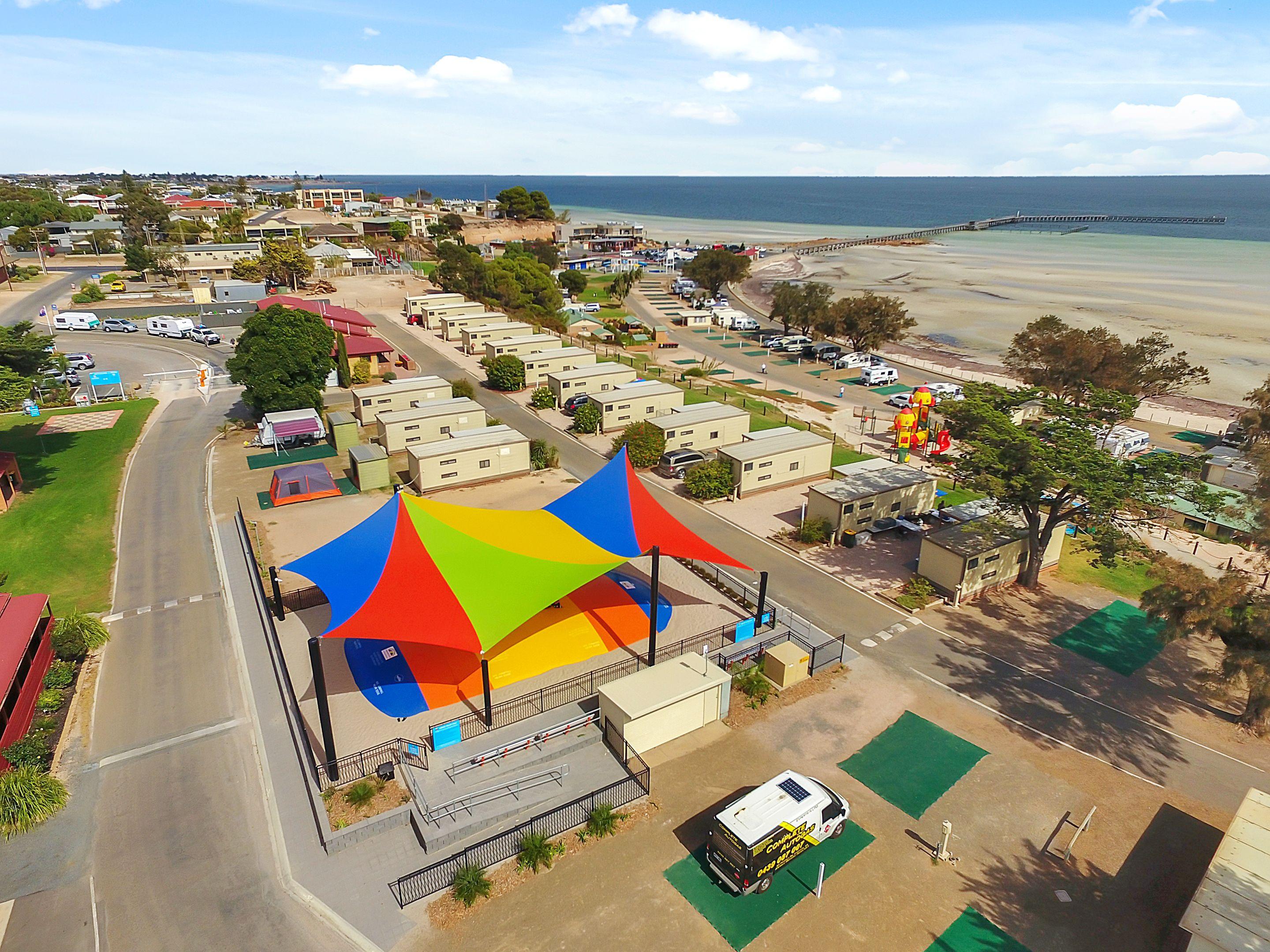
On the South Australian coast, Moonta Bay is a quieter alternative to the Yorke Peninsula's busier towns, with the holiday park sitting directly on the seafront - a rarity in this price bracket. For New South Wales coastal stays, Yamba and Coolum Beach are both patrolled surf destinations with town centres reachable on foot. Perth Airport sits around 99 km from Dawesville and 33 km from Pymble in Sydney's north shore - factor in transfer costs when comparing total stay pricing. Rottnest Island requires a ferry from Fremantle (around 30 minutes), making pre-booking essential during Western Australian school holidays.
Best Value Central Stays
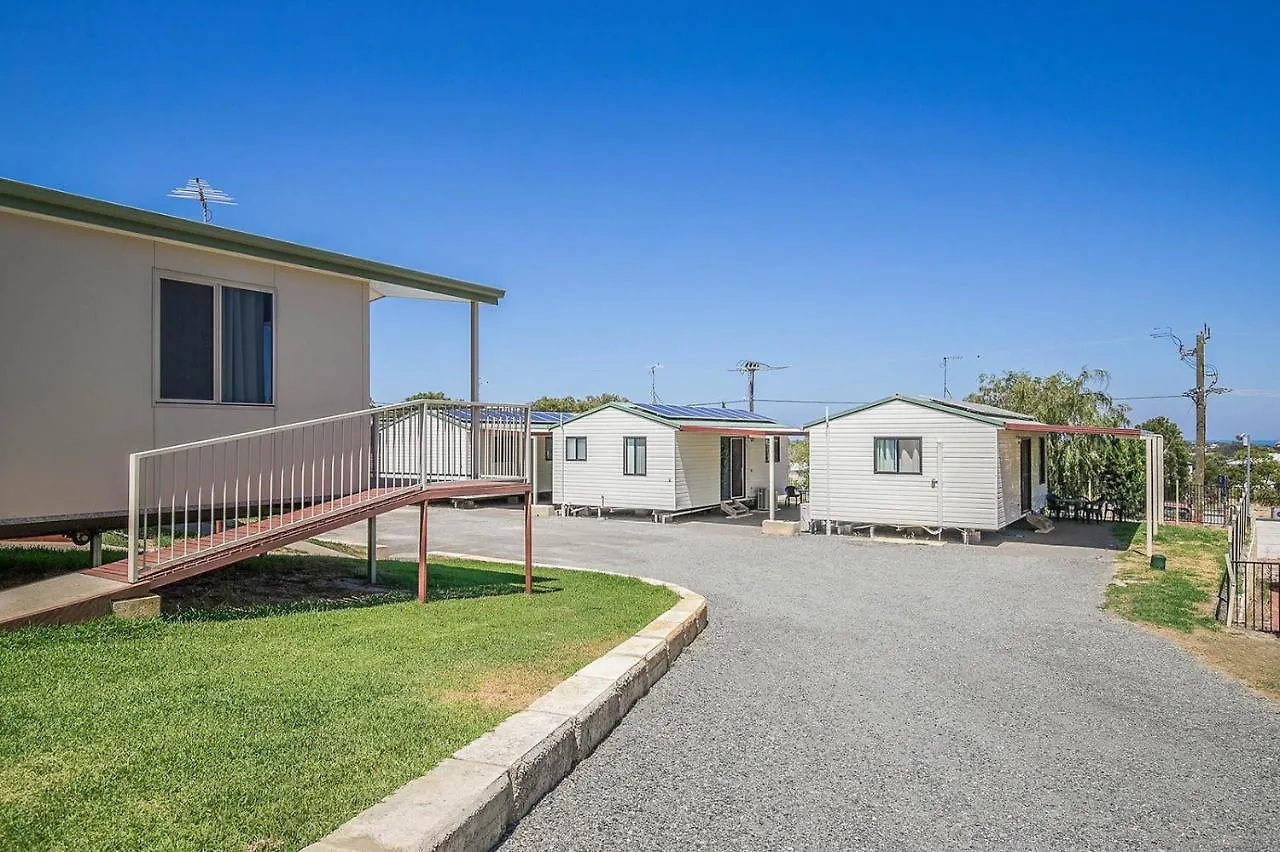
These properties offer strong central positioning and practical facilities at accessible price points, covering coastal caravan parks, self-contained cottages, and well-located regional inns across Australia.
-
1. Twin Waters Caravan Park
Show on map


 Check-infrom 14:00 until 17:00Check-outuntil 10:00
Best price guarantee
fromAU$ 228
-
2. Port Gregory Caravan Park
Show on map


 Check-infrom 13:00 until 17:00Check-outfrom 08:00 until 10:00
Hurry – almost gone at this price!
fromAU$ 183
-
3. Five Island Hotel
Show on map


 Check-infrom 14:00 until 23:00Check-outuntil 10:00
Best price guarantee
fromAU$ 89
-
4. Bicheno By The Bay
Show on map


 Check-infrom 14:00 until 23:59Check-outfrom 07:00 until 10:00
Rooms filling fast – secure the best rate!
fromAU$ 223
-
5. Nightcap At Pymble Hotel
Show on map


 Check-infrom 14:00 until 22:00Check-outuntil 10:00
Rooms filling fast – secure the best rate!
fromAU$ 116
-
6. Moonta Bay Holiday Park
Show on map


 Check-infrom 14:00 until 23:59Check-outuntil 10:00
Just a few rooms left at the best rate!
fromAU$ 171
Best Mid-Range & Premium Central Stays
These properties combine central location with resort-grade facilities, full-service dining, and standout natural settings - from Whitsunday Island gateway access to Rottnest Island beachfront and Great Ocean Road positioning.
-
7. Lake Jindabyne Hotel
Show on map


 Check-infrom 15:00 until 23:59Check-outuntil 10:00
Best price guarantee
fromAU$ 188
-
2. Smiggins Hotel & Chalet Apartments
Show on map


 Check-infrom 15:00 until 22:00Check-outuntil 10:00
Hurry – almost gone at this price!
fromAU$ 1228
-
3. Coolum Caprice
Show on map


 Check-infrom 14:00 until 23:59Check-outuntil 10:00
Rooms filling fast – secure the best rate!
fromAU$ 331
-
4. The Sands Resort At Yamba
Show on map


 Check-infrom 15:00 until 23:59Check-outuntil 10:00
Just a few rooms left at the best rate!
fromAU$ 521
-
5. Cumberland Lorne Resort
Show on map


 Check-infrom 14:00 until 23:30Check-outuntil 10:00
Just a few rooms left at the best rate!
fromAU$ 304
-
12. Club Wyndham Airlie Beach
Show on map


 Check-infrom 14:00 until 23:59Check-outuntil 10:00
Best price guarantee
fromAU$ 331
-
13. Salt Apartments Yeppoon
Show on map


 Check-infrom 14:00 until 23:59Check-outfrom 01:00 until 10:00
Hurry – almost gone at this price!
fromAU$ 488
-
8. Hilton Garden Inn Albany, Wa
Show on map


 Check-infrom 15:00 until 23:59Check-outuntil 11:00
Best price guarantee
fromAU$ 256
-
9. Samphire Rottnest
Show on map


 Check-infrom 15:00 until 22:00Check-outfrom 07:00 until 11:00
Best price guarantee
fromAU$ 264
Smart Timing & Booking Advice for Australia and Oceania
Timing your stay in Australia and Oceania has an outsized impact on both price and experience. School holiday periods - particularly the December-January summer break and the June-July winter break - drive coastal and ski resort occupancy to near-full capacity. Beachfront properties in Yamba, Coolum Beach, and Lorne see peak demand in January, when rates climb sharply and minimum-stay requirements of around 5 nights are common. For the Snowy Mountains (Smiggins Holes, Jindabyne), the July school holidays represent the single most congested booking window of the year.
Booking around 8 weeks ahead is the reliable window for securing preferred unit types at self-contained apartment resorts like Salt Yeppoon, Coolum Caprice, and Cumberland Lorne. Rottnest Island (Samphire Rottnest) has ferry capacity constraints that make advance booking even more critical - the Fremantle to Rottnest ferry books out on peak summer weekends well before the hotel itself. Shoulder season (March-May and September-November) offers the best balance of weather, availability, and pricing across the coastal properties, with fewer minimum-stay restrictions and rates typically around 20% below peak. For ski properties, early June bookings at Smiggins or Jindabyne often secure the best rates before snow guarantees drive late demand. A stay of at least 3 nights at any of these central properties is needed to justify travel time, especially for regional destinations requiring flights or long drives.