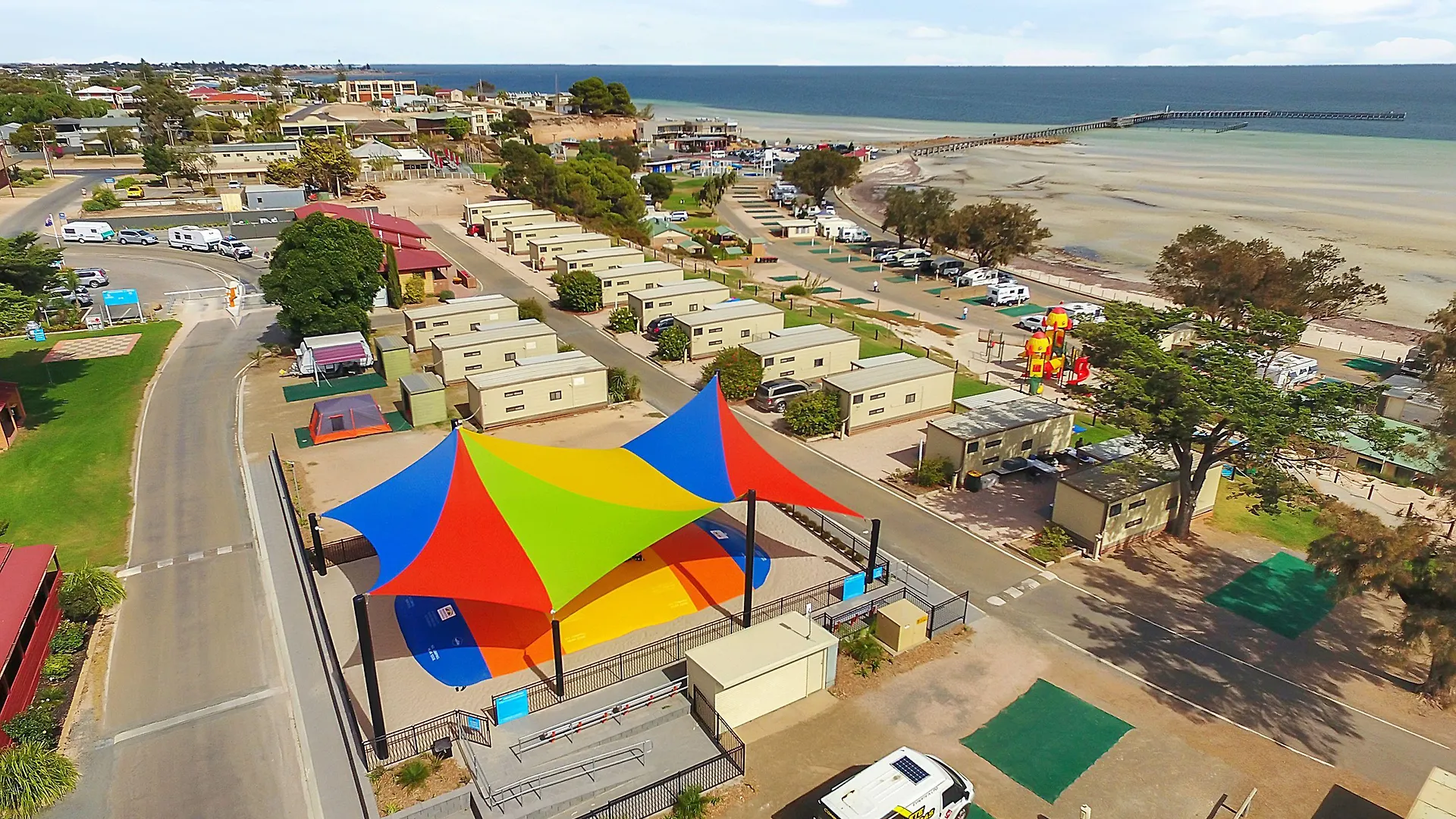
Australia and Oceania offer one of the most geographically diverse resort landscapes on Earth, from the surf-battered coastlines of Western Australia and Queensland to the alpine ridges of the Snowy Mountains and the wine-soaked valleys of South Australia. Choosing the right resort here is less about finding luxury and more about matching terrain, season, and travel pace to the right property. This guide covers 15 hand-picked resorts across the region to help you make a fast, confident booking decision.
What It's Like Staying in Australia and Oceania
Australia's sheer scale is the defining logistical reality for resort travelers - distances between regions can exceed 1,000 km, meaning your resort choice effectively locks in your entire itinerary. Most coastal and rural resorts sit far from major airports, so factor drive times into every booking. Crowd patterns vary sharply: Queensland resorts peak in June through August when southern Australians flee the cold, while South Australian wine regions peak in autumn harvest season around March and April. Oceania adds island-specific rhythms - cyclone seasons, ferry-dependent access, and limited last-minute availability that rewards early planners.
Pros:
- Extraordinary natural variety - reef, rainforest, alpine, and desert resort settings within one country
- Resort infrastructure is well-developed with strong family-friendly and accessibility standards across properties
- Self-contained accommodation options are widely available, reducing dining costs significantly
Cons:
- Driving distances between regions are substantial, making multi-resort trips time-consuming
- Peak-season pricing in coastal hotspots like the Sunshine Coast can rise steeply
- Remote resorts in areas like Esperance or Whyalla have limited public transport connections
Why Choose a Resort in Australia and Oceania
Resorts in Australia and Oceania tend to offer something mid-range hotels cannot: genuine immersion in a specific landscape, whether that's direct lake access in the Riverland, ski-in/ski-out positioning in Thredbo, or river frontage on the Hawkesbury. Room sizes at Australian resorts are typically larger than city hotels, with self-contained chalets, villas, and multi-room cottages common even at 3-star properties. Pricing reflects location more than star rating - a beachfront holiday park on Tasmania's north coast can outperform a 4-star city hotel on value while offering more usable space. The main trade-off is that resort amenities require critical mass: pools, restaurants, and activities at smaller parks may operate on reduced schedules outside peak season, so always confirm opening dates before booking.
Pros:
- Self-contained units with kitchens reduce daily food spend by around 40% versus full hotel stays
- On-site activities - water parks, kayak hire, mini-golf, playgrounds - reduce the need for costly day trips
- Beachfront and waterfront positioning delivers genuine access, not just proximity
Cons:
- Off-peak closures of pools, restaurants, and activity facilities are common at regional parks
- Some resort areas have limited after-hours dining options within walking distance
- Wi-Fi quality at rural and remote resorts can be inconsistent despite being listed as a facility
Practical Booking & Area Strategy
For Queensland resorts, positioning near Maroochydore on the Sunshine Coast puts you within 9 km of Sunshine Coast Airport and 31 km of Australia Zoo - a practical base for families who want activity variety without long drives. In Victoria, Mansfield serves as the gateway to alpine resorts and Lake Eildon, while Ballarat sits just 75 minutes from Melbourne, making it viable for weekend breaks without a flight. South Australian resort travelers should note that the Clare Valley and Riverland are best self-driven - hire car is essential, and booking at least 6 weeks ahead during harvest and school holiday periods is strongly advised. In New South Wales, Thredbo and Wisemans Ferry serve completely different traveler types: the former for winter ski access, the latter for family river escapes within 90 minutes of Sydney.
Best Value Resorts
These properties deliver strong practical value through direct nature access, self-contained facilities, and on-site activities at competitive price points across regional Australia.
-
1. Moonta Bay Holiday Park
Show on map


 Check-infrom 14:00 until 23:59Check-outuntil 10:00
Hurry – almost gone at this price!
fromAU$ 171
-
2. Big4 Tassie Getaway Park Ulverstone
Show on map


 Check-infrom 14:00 until 18:00Check-outfrom 07:00 until 10:00
Hurry – almost gone at this price!
fromAU$ 233
-
3. Esperance Chalet Village
Show on map


 Check-infrom 14:00 until 19:00Check-outuntil 10:00
Best price guarantee
fromAU$ 268
-
4. Discovery Parks - Lake Bonney
Show on map


 Check-infrom 14:00 until 17:30Check-outfrom 08:00 until 10:00
Rooms filling fast – secure the best rate!
fromAU$ 193
-
5. Marion Holiday Park
Show on map


 Check-infrom 14:00 until 18:30Check-outfrom 07:00 until 10:00
Best price guarantee
fromAU$ 231
-
6. Discovery Parks - Whyalla Foreshore
Show on map


 Check-infrom 14:00 until 17:30Check-outfrom 08:00 until 10:00
Best price guarantee
fromAU$ 139
-
7. Riverview Tourist Park
Show on map


 Check-infrom 14:00 until 23:00Check-outuntil 10:00
Hurry – almost gone at this price!
fromAU$ 124
Best Premium Resorts
These properties offer elevated amenities - spa facilities, restaurants, mountain or wine-country settings, and structured activity programs - suited to travelers prioritising experience quality over price per night.
-
8. Mansfield Country Resort
Show on map


 Check-infrom 14:00 until 17:00Check-outfrom 09:00 until 10:00
Hurry – almost gone at this price!
fromAU$ 420
-
2. The River Inn Thredbo
Show on map


 Check-infrom 16:00 until 23:30Check-outuntil 10:00
Just a few rooms left at the best rate!
fromAU$ 476
-
10. Mercure Ballarat Hotel & Convention Centre
Show on map


 Check-infrom 14:00 until 23:59Check-outuntil 11:00
Just a few rooms left at the best rate!
fromAU$ 173
-
11. Clare Country Club
Show on map


 Check-infrom 14:00 until 23:59Check-outuntil 10:00
Just a few rooms left at the best rate!
fromAU$ 190
-
5. Ingenia Holidays Rivershore
Show on map


 Check-infrom 14:00 until 23:59Check-outuntil 10:00
Rooms filling fast – secure the best rate!
fromAU$ 310
-
6. Del Rio Riverside Resort
Show on map


 Check-infrom 14:00 until 23:59Check-outuntil 10:00
Just a few rooms left at the best rate!
fromAU$ 61
-
7. Mercure Warragul
Show on map


 Check-infrom 14:00 until 23:59Check-outuntil 11:00
Rooms filling fast – secure the best rate!
fromAU$ 144
-
8. Largs Pier Hotel
Show on map


 Check-infrom 14:00 until 23:59Check-outuntil 11:00
Rooms filling fast – secure the best rate!
fromAU$ 163
Smart Travel & Timing Advice for Australian Resorts
Timing your resort stay in Australia requires matching region to season rather than simply avoiding crowds. Queensland's Sunshine Coast resorts peak in July during school holidays, with prices rising sharply and availability at coastal properties tightening weeks in advance - book at least 8 weeks ahead for July stays at properties like Ingenia Holidays Rivershore. Victorian alpine resorts including Thredbo operate two distinct peak periods: winter (June to September) for skiing and summer (November to April) for hiking and mountain biking, with the shoulder months of May and October offering the lowest prices and minimal crowds. South Australian wine-country resorts like Clare Country Club fill quickly during the March harvest festival period, while the Riverland properties around Lake Bonney are busiest in January school holidays. Off-peak stays at regional resorts often unlock the best room categories as properties incentivize upgrades to chalets with balconies or lake views. For beach-access parks in Tasmania and Western Australia, February delivers the warmest water temperatures with fewer interstate visitors than January.