Maryland sits at a genuine crossroads of American history - from colonial-era port towns on the Eastern Shore to Civil War landmarks in the western corridor, the state offers an unusually layered backdrop for historically minded travelers. Whether you're tracing the Underground Railroad through Easton, visiting Antietam Battlefield near Hagerstown, or day-tripping to Washington D.C. from the I-270 corridor, your choice of hotel dramatically shapes how much of that history you actually access. This guide cuts through the noise to help you pick the right historical hotel in Maryland based on your itinerary, not just star ratings.
What It's Like Staying in Maryland
Maryland is one of the most geographically compact yet historically dense states on the East Coast, covering the Chesapeake Bay region, the Appalachian foothills, and a stretch of the Atlantic coast - all within a few hours of each other. Washington D.C. sits just 45 minutes from Germantown, making Maryland a practical base for travelers combining a federal capital visit with Eastern Shore colonial history. Traffic on the I-270 and I-95 corridors can be heavy on weekday mornings, so positioning matters more here than in most states.
The state draws a mixed crowd - federal workers and suburban families dominate the central corridor, while heritage tourists and birders cluster around Easton and the Chesapeake waterfront. Maryland's smaller towns like Easton and Elkton tend to move at a slower pace than the DC suburbs, which actually suits historical travel well.
Pros:
- Compact geography means you can cover colonial Annapolis, Civil War sites, and the Eastern Shore in a single multi-day trip without excessive driving
- Strong public history infrastructure - many towns have preserved 18th and 19th-century architecture directly accessible from hotels
- Proximity to Washington D.C. adds federal monuments and the Smithsonian as easy day-trip extensions from most Maryland bases
Cons:
- I-270 and I-95 corridor traffic can add around 40% more time to journeys during weekday peak hours
- Smaller historical towns like Elkton have limited evening dining and entertainment options compared to Annapolis or Baltimore
- Summer humidity along the Chesapeake Bay and Eastern Shore can make outdoor historical site visits uncomfortable between late June and August
Why Choose Historical Hotels in Maryland
Historical hotels in Maryland range from converted 19th-century manor houses with on-site spa services to well-positioned chain properties in towns built around colonial-era infrastructure. What sets them apart from standard lodging is their location within or adjacent to the actual historical fabric of their towns - meaning walking access to heritage sites, preserved streetscapes, and locally rooted dining rather than highway strip malls. Prices for historical-style properties in Maryland's Eastern Shore towns like Easton typically run lower than comparable boutique options in Annapolis, making them a strong value for heritage travelers who don't need a big-city base.
Room sizes in historic bed and breakfasts tend to be smaller than modern hotels, though amenities like private hot tubs, garden terraces, and individually decorated rooms often compensate. Noise is rarely an issue outside the DC suburban corridor - in towns like Elkton or Easton, nights are genuinely quiet. Around 3 miles is typically all that separates historical lodging from the core heritage attractions in these smaller Maryland towns.
Pros:
- Historical properties in Easton and Elkton place guests within walking or short driving distance of colonial-era sites, making day planning simpler and more immersive
- Bed and breakfast formats common in this category often include locally sourced breakfasts and personalized local knowledge from hosts
- Properties with spa facilities (such as in Elkton) allow historical tourism to double as a wellness retreat, which chain hotels in the same towns do not offer
Cons:
- Older building stock means some rooms may have limited soundproofing, smaller closets, or fewer modern tech amenities than brand-new hotel builds
- Historical inns in rural Maryland locations often require a car - public transit connections in towns like Elkton are minimal
- Availability at boutique historical properties is limited, meaning peak-season bookings (May through September) need to be made well in advance
Practical Booking & Area Strategy for Maryland
Maryland's historical lodging divides naturally across three zones: the DC suburban corridor (Germantown, Gaithersburg), the Eastern Shore (Easton, St. Michaels, Oxford), and the upper Chesapeake area (Elkton, Cecil County). Germantown is your best base if Washington D.C. is a primary destination, with direct I-270 access cutting drive time to around 45 minutes outside rush hours. Easton on the Eastern Shore anchors access to Chesapeake Bay maritime history, the Academy of the Arts, and the network of colonial-era towns along Route 50. Elkton, positioned near the Delaware border, suits travelers combining Maryland history with visits to Wilmington or Philadelphia.
Peak seasons for historical tourism in Maryland run from late April through October, driven by outdoor festival season, Chesapeake Bay sailing events, and fall foliage in the western counties. Booking at least 6 weeks ahead for Eastern Shore properties during summer weekends is strongly advisable - boutique inventory is thin and sells out faster than suburban chain hotels. The Clarksburg Premium Outlets and Maryland SoccerPlex near Germantown add family-oriented activity options for travelers mixing historical interests with leisure, and Annapolis (under an hour from most Maryland bases) remains the single most concentrated destination for 18th-century colonial architecture in the state.
Best Value Historical Hotels in Maryland
These properties deliver strong location value and historical character at competitive price points, suiting travelers who want proximity to Maryland's heritage sites without boutique-level rates.
-
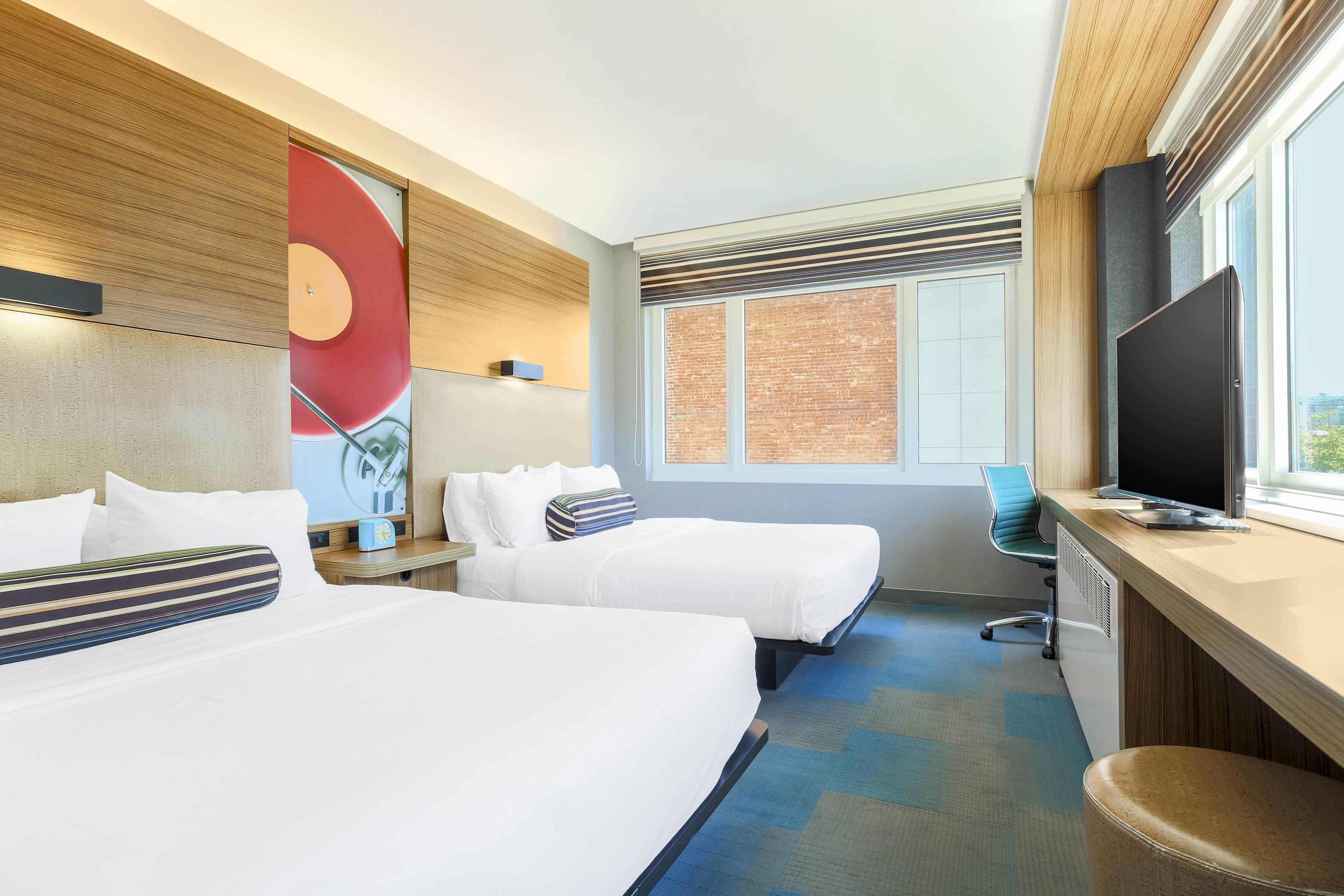
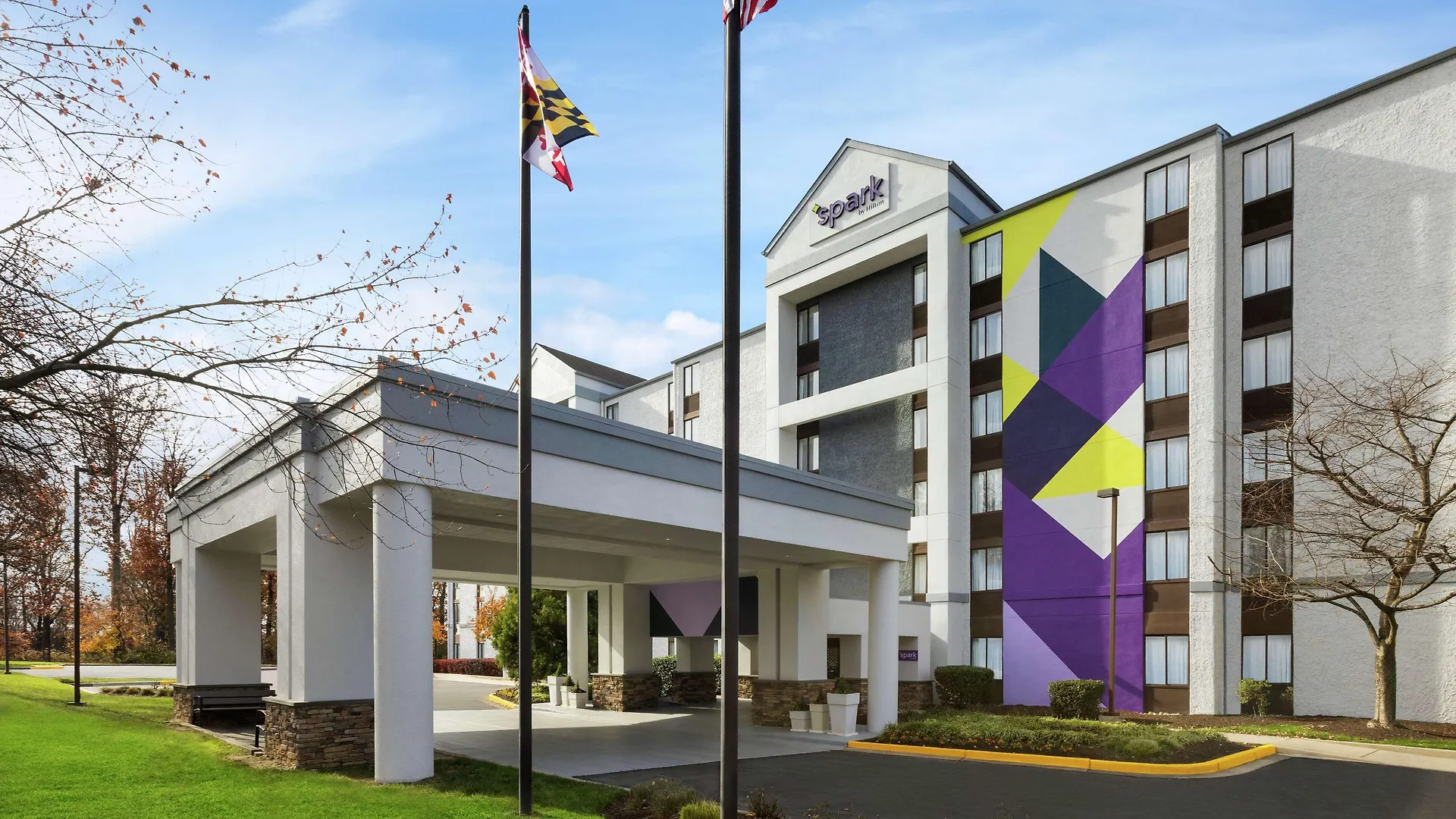
1. Spark By Hilton Germantown Washington Dc North
Show on map


 Check-infrom 15:00 until 23:59Check-outuntil 12:00
Just a few rooms left at the best rate!
fromUS$ 89
-
2. Days Inn By Wyndham Easton
Show on map


 Check-infrom 15:00 until 23:59Check-outuntil 11:00
Just a few rooms left at the best rate!
fromUS$ 94
Best Premium Historical Hotels in Maryland
These properties offer elevated historical character, enhanced amenities, or distinctive architectural settings that justify higher rates - suited to travelers for whom the lodging itself is part of the Maryland historical experience.
-
3. Elk Forge Bed And Breakfast
Show on map


 Check-infrom 15:00 until 20:00Check-outuntil 11:00
Hurry – almost gone at this price!
fromUS$ 129
-
4. Best Western Plus Easton Inn & Suites
Show on map


 Check-infrom 15:00 until 23:59Check-outuntil 11:00
Rooms filling fast – secure the best rate!
fromUS$ 122
Smart Travel & Timing Advice for Maryland Historical Hotels
The most rewarding window for historical travel in Maryland runs from mid-September through early November - fall foliage enhances outdoor historical sites, crowds thin noticeably after Labor Day, and hotel rates across the Eastern Shore drop compared to summer peaks. Spring (April through May) is the second-best window, combining mild temperatures with active historical event programming across towns like Easton and Annapolis before the summer tourist surge. Summer weekends from late June through August are the most congested and expensive period, particularly along the Eastern Shore where Chesapeake Bay water access drives high demand from DC-area day-trippers and vacationers.
Most Maryland historical destinations reward a minimum of 2 nights - enough to cover the core town attractions, a day-trip to a secondary site (Annapolis from Easton, or Philadelphia from Elkton), and a relaxed morning without rushing checkout. For boutique properties like Elk Forge in Elkton, booking 6 to 8 weeks ahead for spring and fall weekends is realistic minimum planning - inventory at small historic inns disappears faster than chain hotels in the same towns. Last-minute deals are more viable at the suburban Germantown property, where business travel demand fluctuates more predictably mid-week.