Finding affordable lodging near Rio Grande National Forest means choosing between gateway towns like Salida, Gunnison, and Durango - each offering different access points to the forest's trails, ski resorts, and whitewater runs. Budget hotels in this region typically run well under the Colorado mountain average, making them a practical base for multi-day outdoor itineraries without overspending on accommodation.
What It's Like Staying Near Rio Grande National Forest
Rio Grande National Forest spans over 1.8 million acres in southern Colorado, covering terrain from high alpine tundra to river valleys along the Rio Grande headwaters. Gateway towns are spread out - Salida sits on the northeastern edge near the Arkansas River, Gunnison anchors the north-central corridor, and Durango serves as the southern hub. Car travel is essential; there is no meaningful public transit linking these towns to trailheads or forest access roads.
Visitors range from fly fishers targeting the Rio Grande itself to backcountry hikers on the Continental Divide Trail and skiers heading to Monarch or Crested Butte. Summer weekends fill up fast, especially around rafting season in June and July, so early booking in gateway towns is not optional - it's necessary.
Pros:
- Lower lodging costs than Summit County or Telluride, with budget rooms available under $120 most of the year
- Direct car access to multiple forest entry points from Salida, Gunnison, and Durango
- Gateway towns offer real local infrastructure - grocery stores, gear shops, and diners - not just tourist services
Cons:
- No walkable access to forest trailheads from any of the budget hotels; a rental car is mandatory
- Limited last-minute availability during peak summer and ski season weekends
- Weather in the San Juan and Sangre de Cristo ranges changes fast, requiring flexible itinerary planning
Why Choose Budget Hotels Near Rio Grande National Forest
Budget hotels in Salida, Gunnison, and Durango deliver functional, no-frills lodging that covers everything an outdoor-focused traveler actually needs: free parking for gear-loaded vehicles, Wi-Fi for trail research, and proximity to town amenities. Most budget properties here include free breakfast, which meaningfully offsets daily costs for active travelers burning through calories on the trail. Unlike mountain resorts or boutique inns, these hotels don't charge for location premiums you won't use - you're here for the forest, not the lobby.
The trade-off is straightforward: room sizes are modest, décor is functional, and on-site dining is minimal or nonexistent. Rates can spike around 40% during peak rafting weekends in June or ski holidays in February, so mid-week stays offer the sharpest value in every gateway town.
Pros:
- Free parking at virtually every property - critical when traveling with rafts, bikes, or ski gear
- Several options include hot tubs, fitness centers, and pools at budget price points
- Gunnison-Crested Butte Regional Airport proximity at multiple hotels removes the need for long transfer drives
Cons:
- Room finishes and furnishings are basic; expect functional over stylish
- Noise from highway corridors (US-550, US-50) can be noticeable in lower-floor rooms
- Limited on-site dining means relying on nearby town restaurants for most meals
Practical Booking & Area Strategy for Rio Grande National Forest
Durango is the most established base for southern forest access, with the iconic Durango & Silverton Narrow Gauge Railroad, Hesperus Ski Area, and the Weminuche Wilderness all within a reasonable drive. Gunnison positions you closest to Crested Butte Mountain Resort and the Blue Mesa Reservoir, the largest body of water in Colorado, making it the strongest choice for combined skiing and fishing trips. Salida works best for Arkansas River rafting and Monarch Ski Resort access, with Alexander Field Airport just 10 minutes from the main hotel strip - useful if flying in from Denver.
Book at least 6 weeks ahead for any summer weekend stay, particularly in Durango, where tourism pressure from the railroad and mountain biking crowds is significant. Silverton, while scenic, has very limited lodging infrastructure, making it better as a day-trip destination from Durango rather than a base. Mid-October through late November offers the quietest window with low rates and minimal crowds - ideal for fall foliage drives along the San Juan Skyway and uncrowded fishing on the Rio Grande's upper forks.
Best Value Budget Stays
These properties offer the strongest combination of included amenities, airport proximity, and access to Rio Grande National Forest gateway corridors at the lowest nightly rates.
-
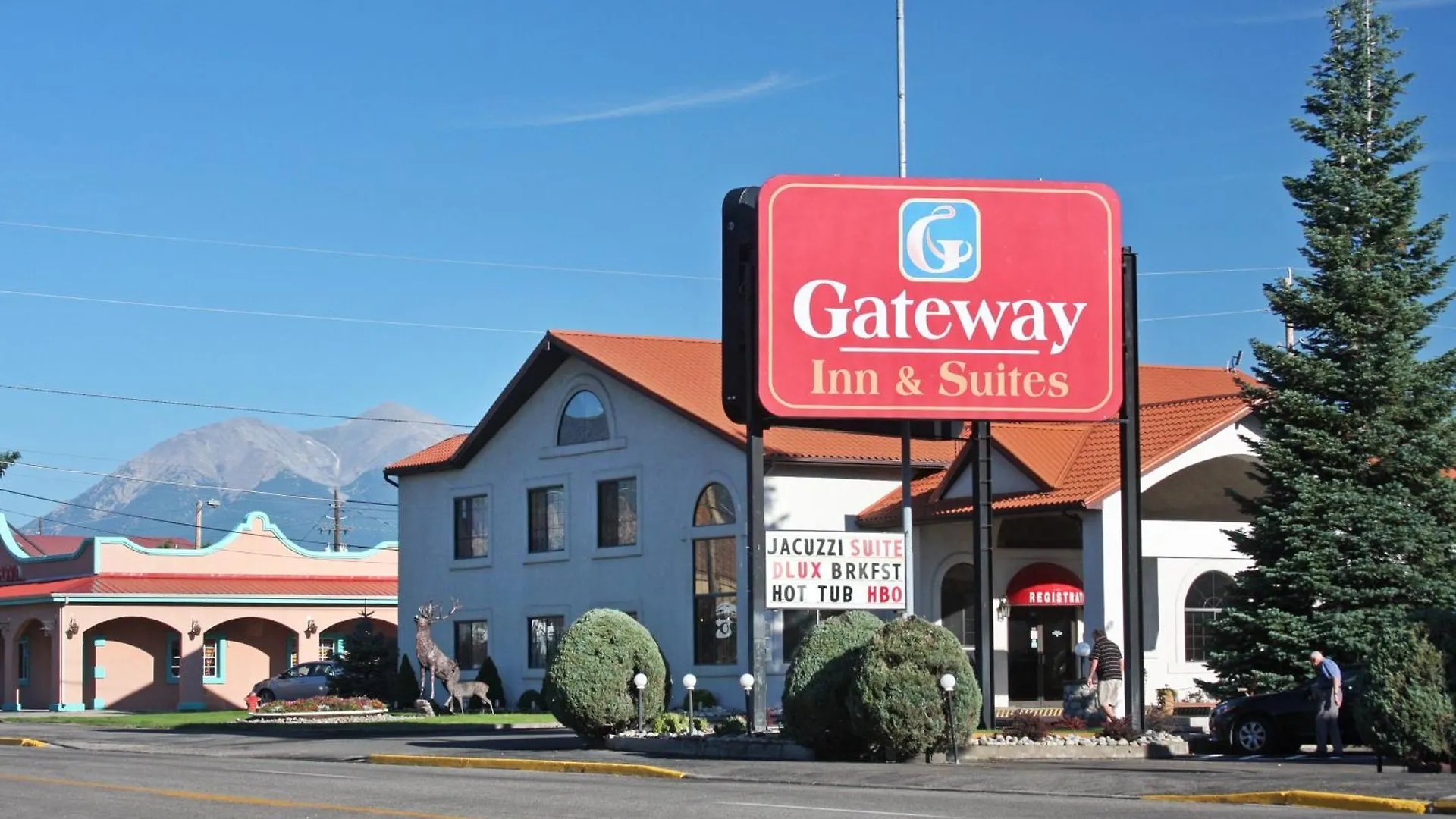
1. Gateway Inn And Suites
Show on map


 Check-infrom 16:00 until 22:00Check-outuntil 11:00
Just a few rooms left at the best rate!
fromUS$ 70
-
2. Days Inn & Suites By Wyndham Gunnison
Show on map


 Check-infrom 15:00 until 23:59Check-outfrom 05:00 until 11:00
Just a few rooms left at the best rate!
fromUS$ 65
-
3. Alpine Inn & Suites Gunnison
Show on map


 Check-infrom 15:00 until 23:59Check-outuntil 11:00
Hurry – almost gone at this price!
fromUS$ 66
Best Budget Stays in Durango & Silverton
Durango and Silverton anchor the southern approach to the forest and the San Juan Mountains corridor, offering distinct trade-offs between town infrastructure and mountain atmosphere at budget-friendly rates.
-
4. Baymont By Wyndham Durango
Show on map


 Check-infrom 15:00 until 23:00Check-outuntil 11:00
Hurry – almost gone at this price!
fromUS$ 96
-
5. Adobe Inn Durango
Show on map


 Check-infrom 15:00 until 22:30Check-outfrom 07:00 until 11:00
Rooms filling fast – secure the best rate!
fromUS$ 52
-
6. Villa Dallavalle Inn
Show on map


 Check-infrom 15:00 until 22:00Check-outuntil 10:00
Rooms filling fast – secure the best rate!
fromUS$ 172
Smart Timing & Booking Advice for Rio Grande National Forest
June through August is peak season across all three gateway towns, driven by whitewater rafting on the Arkansas and Animas Rivers, wildflower hiking in the Weminuche Wilderness, and the Durango & Silverton Railroad's full summer schedule. Budget rooms in Durango can fill entirely on summer weekends by mid-May, so 8 weeks ahead is a realistic booking window for June or July travel. Gunnison and Salida have slightly more room availability but follow the same demand curve.
Ski season from late November through March creates a secondary demand spike, particularly in Gunnison due to Crested Butte Mountain Resort, where budget hotel inventory is thin during holiday weeks. The shoulder window of mid-September to mid-October offers ideal conditions - aspens at peak color, uncrowded trails, and rates that can be around 30% lower than summer peaks. A 3-night stay is the practical minimum for meaningful forest access; day-trippers from Denver or Albuquerque rarely book lodging, so those nights represent genuine forest time.