Australia's coastline stretches over 35,000 kilometres, and choosing where to base yourself for a beach holiday makes a real difference to your experience. Whether you're heading to Queensland's Southern Great Barrier Reef, the Sunshine Coast, or the beaches of New South Wales, the right beach resort puts you within steps of the water, with self-contained apartments that make extended stays practical. This guide covers four well-positioned Australian beach resorts - each vetted for location, facilities, and value - so you can make a confident booking decision.
What It's Like Staying at a Beach Resort in Australia
Australia's beach resorts are typically set in low-rise, garden or oceanfront layouts, with self-contained apartments as the standard unit type rather than hotel rooms. This format suits families and couples doing stays of four nights or more, since full kitchens and laundry facilities cut the cost and effort of eating out every meal. Coastal resort zones in Australia are quieter than city hotels - foot traffic is low at night, and the atmosphere is oriented around outdoor activity rather than nightlife.
Transport between resorts and nearby towns is almost always car-dependent. Most properties offer free parking, and the nearest café or supermarket is typically a short drive, not a walk. Beach resorts in Queensland and New South Wales tend to sit near nature reserves, which means wildlife sightings are common but also that some areas lack dense walkable amenities.
Pros:
- Self-contained apartments reduce dining costs significantly on multi-night stays
- Direct or near-direct beach access means no logistics between accommodation and water
- Eco-certified and nature-adjacent properties are common, especially in Queensland
Cons:
- A car is almost always required - public transport near coastal resorts is limited or absent
- Resort-style pools and facilities can get busy during Australian school holidays (January, April, July)
- Beachfront locations in peak summer months book out weeks in advance, limiting last-minute flexibility
Why Choose a Beach Resort Over Other Accommodation in Australia
Beach resorts in Australia occupy a distinct category between budget motels and luxury hotels. They typically offer apartment-style units with full kitchens, private balconies, and resort facilities like pools, tennis courts, and BBQ areas - at price points that remain competitive, especially for groups of three or more sharing a multi-bedroom apartment. Compared to a standard hotel room on the same strip, a resort apartment often delivers around 40% more usable space.
The trade-off is that resort-style properties are rarely in walkable urban cores. You get proximity to the beach, but not necessarily to restaurants, transport hubs, or cultural attractions. For travellers whose primary goal is beach time, water sports, and outdoor relaxation, this format is efficient and cost-effective. For those wanting nightlife or city convenience, a coastal resort is the wrong base.
Pros:
- Full kitchen and laundry in most apartments make week-long stays genuinely self-sufficient
- On-site pools, tennis courts, and BBQ areas reduce the need to leave the property each day
- Beachfront or beach-adjacent positioning means surf, snorkelling, and coastal walks are immediately accessible
Cons:
- Dining options on-site are often limited to one restaurant or kiosk - variety requires driving
- Resort facilities such as pools and games rooms can feel crowded during school holiday periods
- Properties outside major towns have limited access to public attractions without a rental car
Practical Booking & Area Strategy for Beach Resorts in Australia
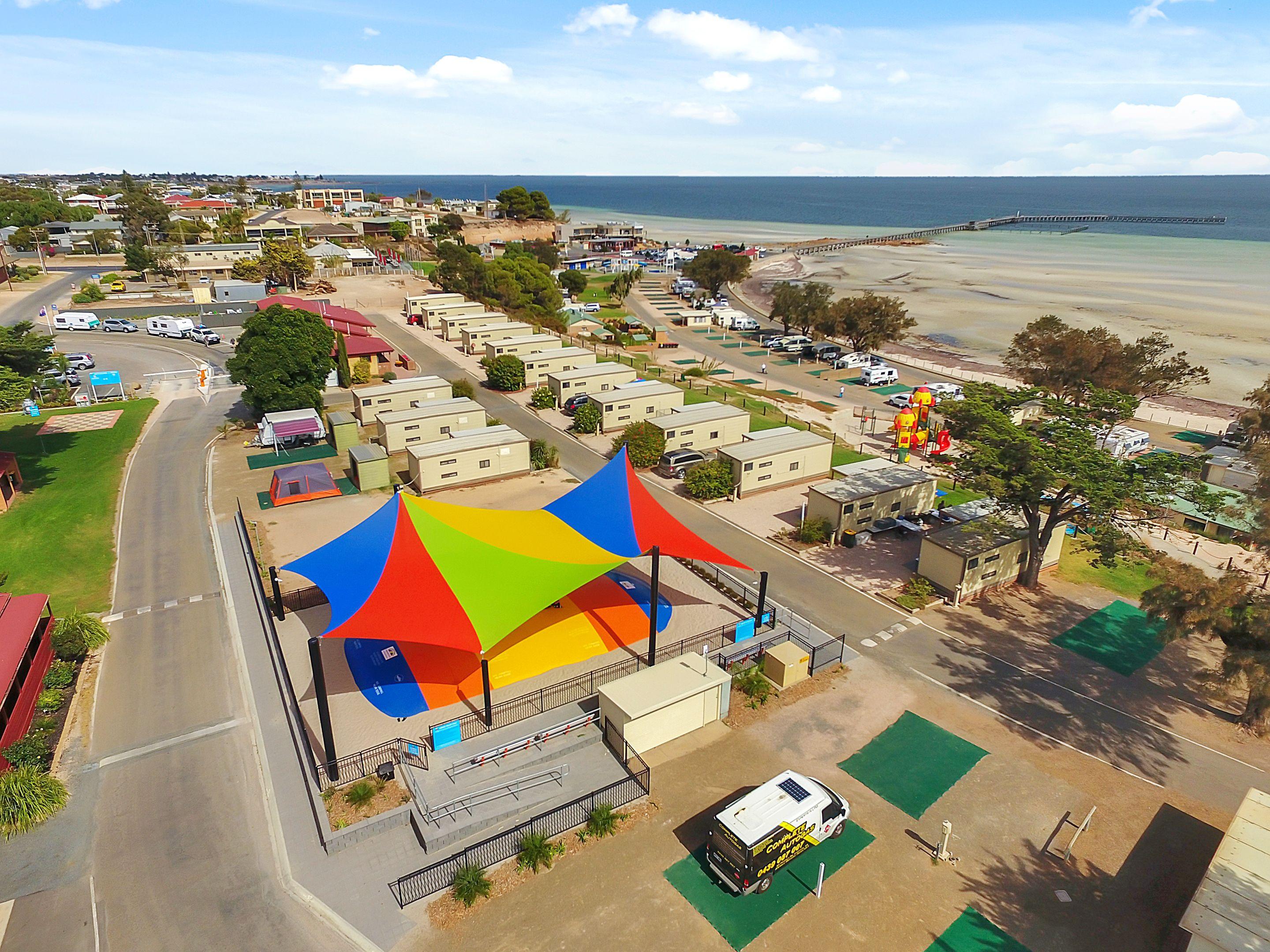
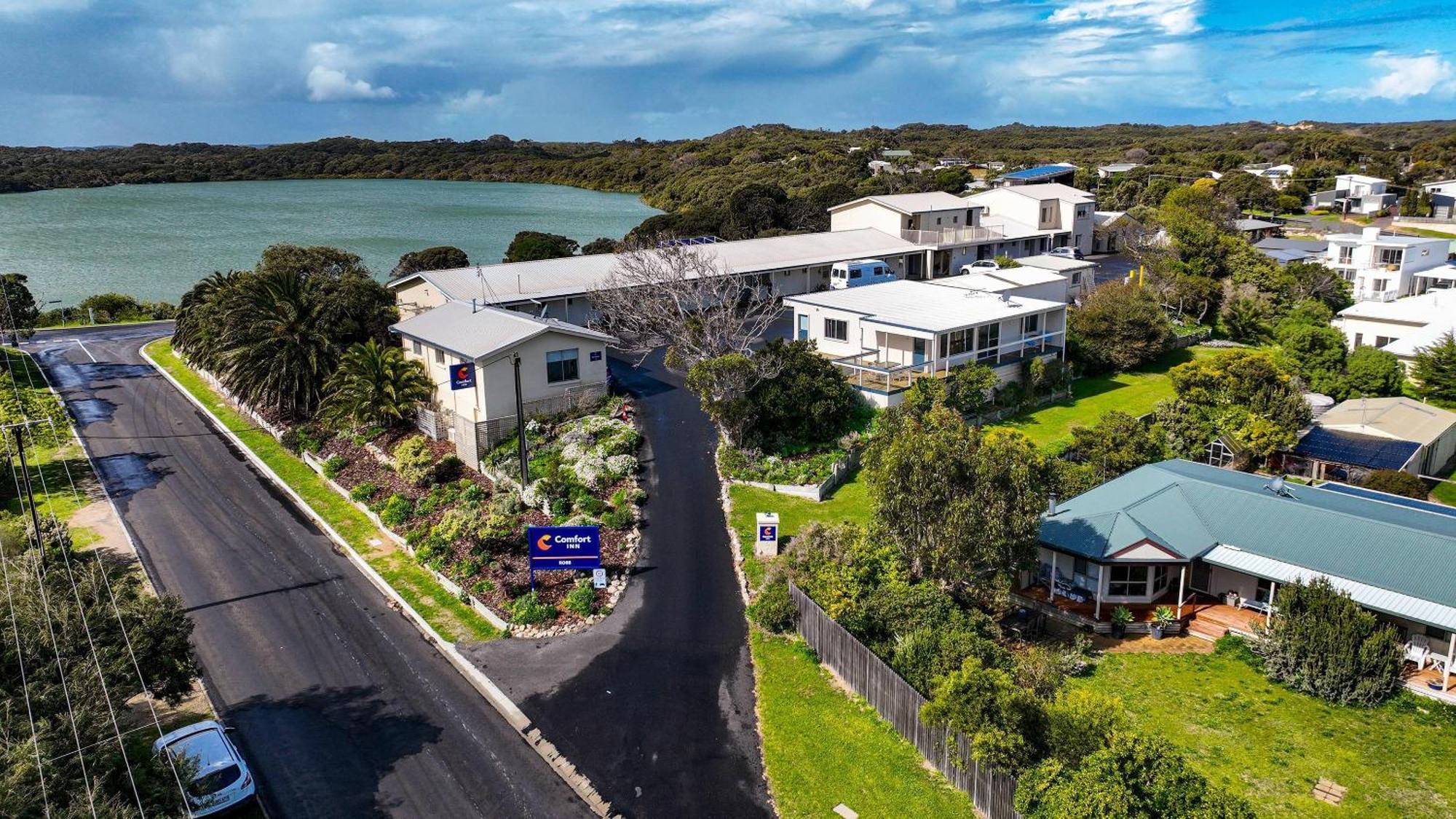
The four resorts in this guide are spread across three distinct coastal zones in Australia: the Southern Great Barrier Reef in Queensland (Bargara), the Sunshine Coast (Caloundra/Kings Beach), and the New South Wales coast (Port Macquarie and Diamond Beach). Each zone has a different character - Bargara and Caloundra are more developed with nearby town amenities, while Diamond Beach and Flynns Beach in Port Macquarie are quieter and better suited to nature-focused travellers.
For Queensland properties, Sunshine Coast Airport serves Caloundra, around 40 minutes by car, while Bundaberg Airport is the closest access point for Bargara. In New South Wales, Port Macquarie has its own regional airport, and Diamond Beach is reachable in around 3 hours from Sydney by car. Book at least 6 weeks ahead for stays during January school holidays or Easter - these coastal resorts reach full capacity fast. Shoulder season (March-May and September-October) offers the best combination of good weather, lower prices, and availability. Popular activities in these zones include whale watching, turtle nesting site visits (Mon Repos near Bargara), snorkelling on the Great Barrier Reef, and coastal walks along the 5 km beach at Diamond Beach.
Best Value Beach Resorts in Australia
These properties deliver strong beach access and practical resort facilities at accessible price points, making them well-suited to families and travellers prioritising value without sacrificing location.
-
1. Kellys Beach Resort
Show on map


Just a few rooms left at the best rate!
fromUS$ 177
-
2. Flynns Beach Resort
Show on map


Just a few rooms left at the best rate!
fromUS$ 185
-
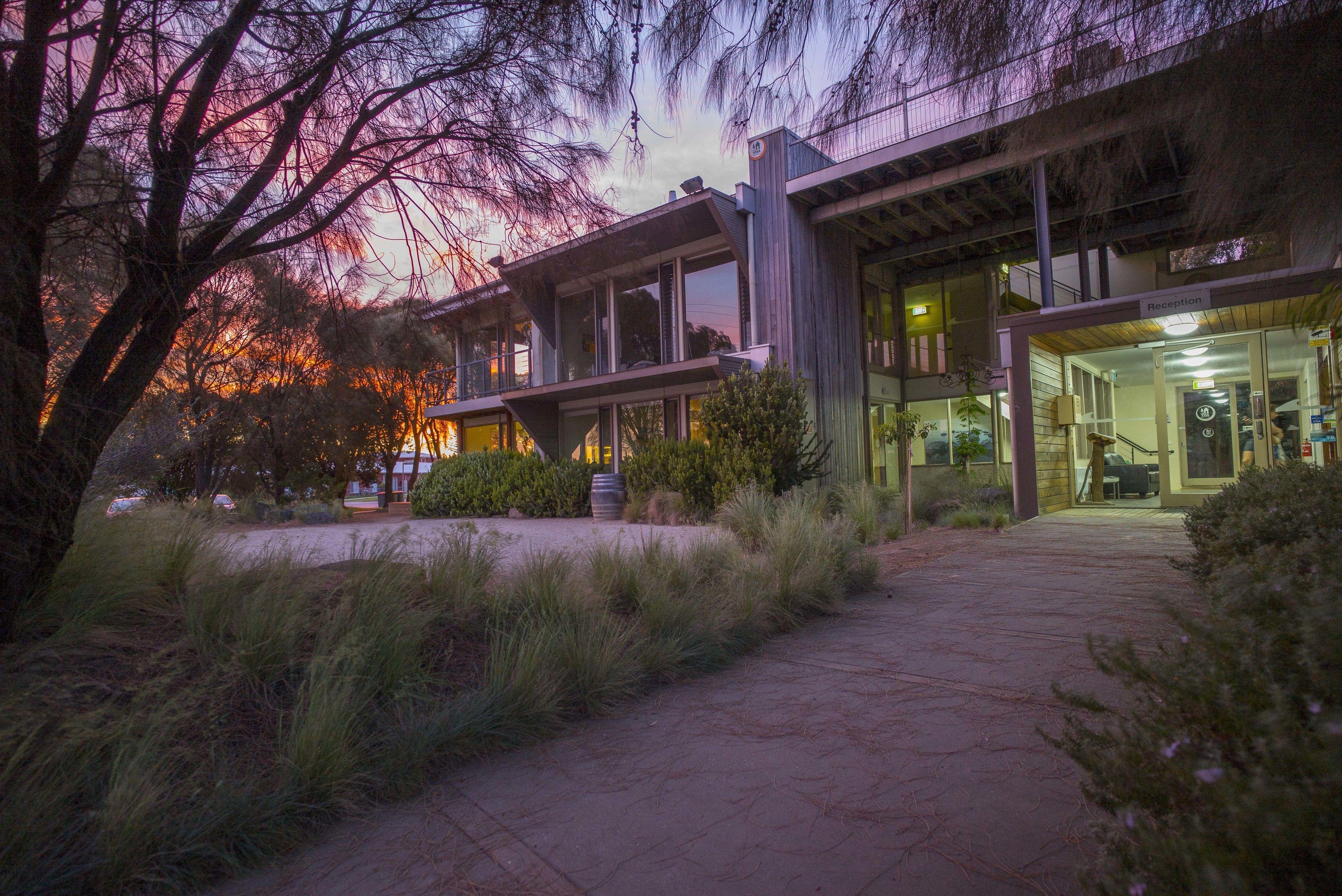
3. Rolling Surf Resort
Show on map


Hurry – almost gone at this price!
fromUS$ 217
Best Premium Beach Resort in Australia
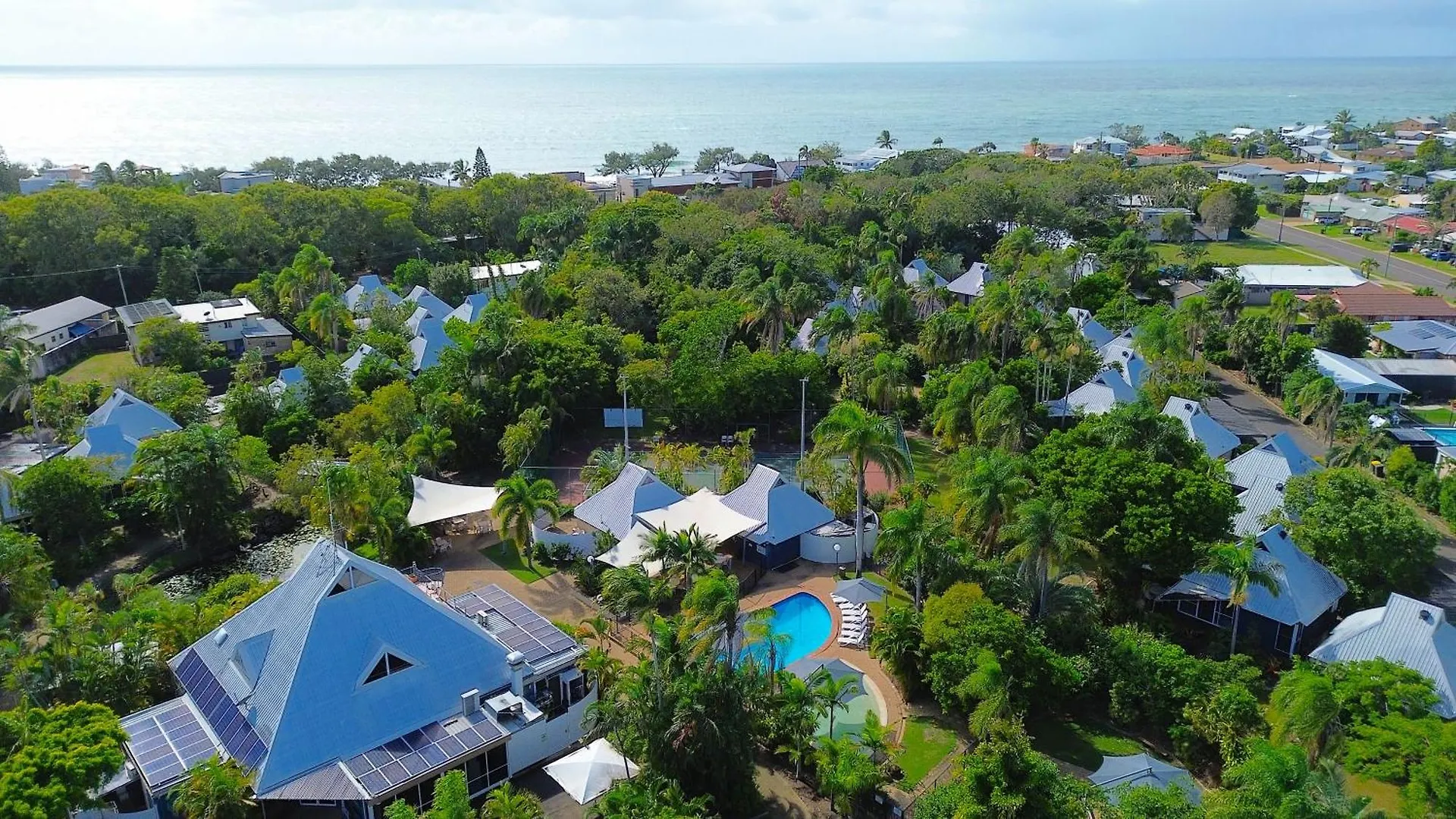
For travellers prioritising spa facilities, beachfront positioning, and a more private coastal setting, this property stands apart with a higher-end amenity profile and a scenic location in New South Wales.
-
4. Serenity Diamond Beach
Show on map


Rooms filling fast – secure the best rate!
fromUS$ 141
Smart Travel & Timing Advice for Australian Beach Resorts
Australian beach resorts operate on a clearly defined seasonal rhythm tied to school holiday calendars and climate zones. Queensland properties like Kellys Beach Resort and Rolling Surf Resort on the Sunshine Coast are warm year-round, but the peak school holiday periods - January, Easter, and July - drive occupancy to near-100% and push prices up sharply. Book Queensland coastal resorts at least 6 weeks ahead for any stay overlapping with school holidays, and consider mid-week arrivals for better rate availability.
New South Wales properties at Diamond Beach and Port Macquarie experience peak demand in January and during long weekends from October through March. Shoulder months of March-May and September-October offer the most consistent weather with lower occupancy - sea temperatures remain swimmable in both zones through May. For turtle watching at Mon Repos near Bargara, stays between November and January are required, and bookings for that specific period should be made as early as possible given limited accommodation in the area. A minimum stay of 3 nights is recommended at any of these resorts to justify the travel time from major cities and to experience the local attractions - whale watching at Diamond Beach, reef snorkelling from Bargara, or coastal walks on the Sunshine Coast - without feeling rushed.