
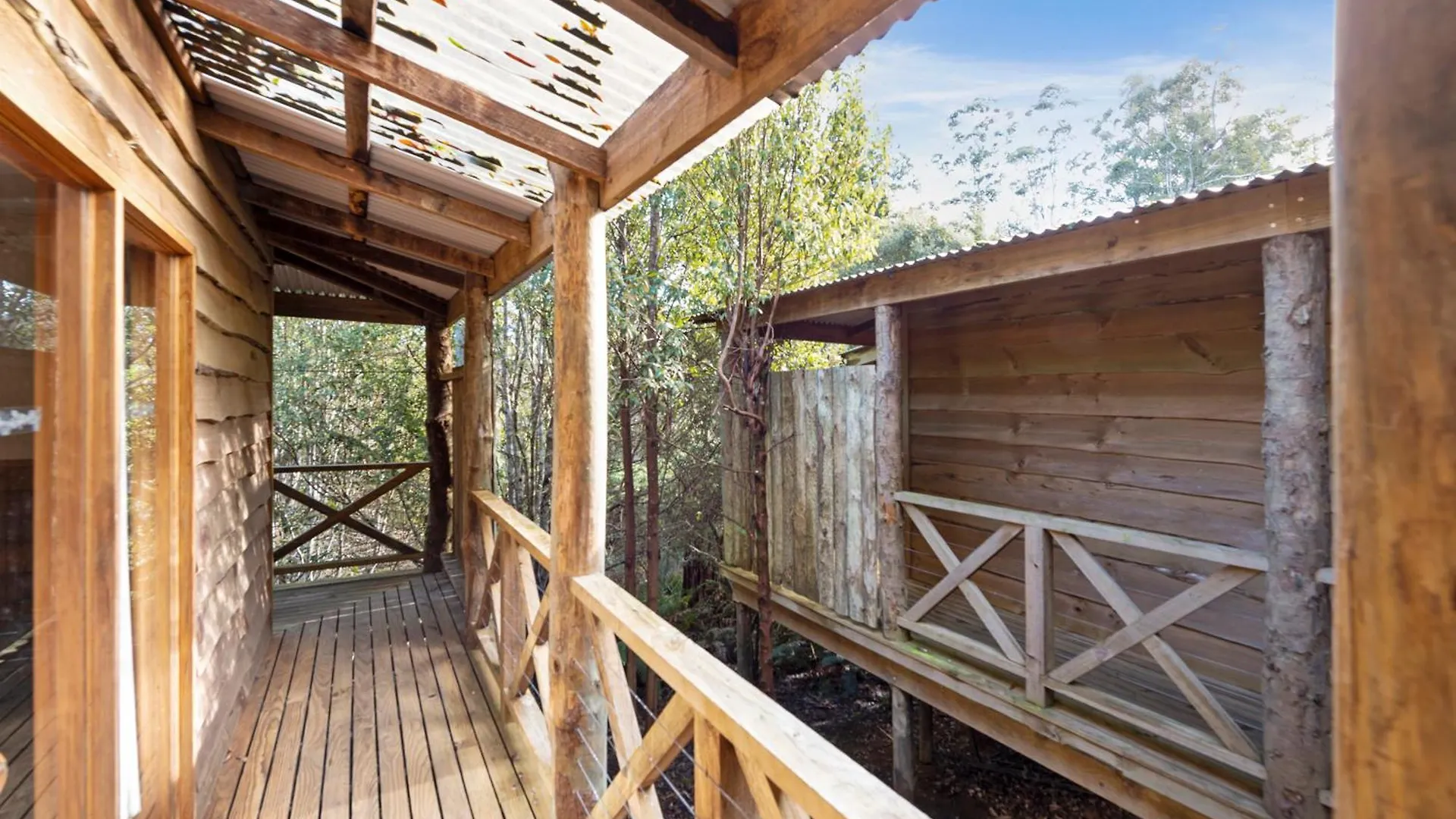
Tasmania punches well above its weight for boutique accommodation - a small island state where wilderness access, UNESCO World Heritage landscapes, and a thriving food and wine culture converge within a few hours' drive. From the rainforest surrounds of Cradle Mountain to the harbour village of Strahan on the wild west coast, the boutique hotels here are deeply tied to their environment in ways that chain hotels simply cannot replicate. This guide compares four distinct properties across Tasmania's most rewarding regions to help you choose the right base for your trip.
What It's Like Staying in Tasmania
Tasmania is Australia's only island state, and that isolation shapes everything about how you travel here. You must drive - there is no intercity rail network, and distances between key destinations like Hobart, Cradle Mountain, and Strahan require around 3 hours of road travel each way. Crowds remain manageable compared to mainland Australia, but popular sites like Dove Lake can fill car parks by 9am in peak summer. Tasmania rewards guests who stay in multiple locations rather than one central hub, as the island's most compelling experiences are deliberately spread across its regions.
Pros:
- Unmatched access to UNESCO World Heritage wilderness with very few other tourists on the trails
- Tasmania's cool-climate food and wine scene is concentrated and walkable in village-scale towns
- Boutique properties here are embedded in the landscape, offering wildlife encounters and night skies unavailable in urban stays
Cons:
- No public transport between regions - a rental car is non-negotiable for most itineraries
- West coast towns like Strahan and Moina have very limited dining and nightlife options after 8pm
- Remote accommodation books out months in advance during the December-February summer season
Why Choose Boutique Hotels in Tasmania
In Tasmania, the boutique category is genuinely differentiated from standard motels and self-contained holiday rentals - which dominate a large share of the accommodation market. Boutique properties here typically occupy unique natural settings, with designs that integrate rainforest, waterfront, or mountain views directly into the guest experience. Nightly rates at boutique properties in the northwest and west coast regions are often around 40% higher than budget motel alternatives, but that premium consistently delivers private balconies, quality bathroom finishes, and access to on-site restaurants that remote locations otherwise lack entirely.
Pros:
- On-site restaurants at wilderness boutique retreats solve the critical problem of dining options near Cradle Mountain, where alternatives are scarce
- Boutique suites in locations like Strahan and Moina offer water or forest views that budget accommodation in the same areas does not provide
- Properties tend to be smaller-scale, meaning staff knowledge of local trails, wildlife timing, and weather windows is specific and actionable
Cons:
- Most boutique properties in Tasmania require early commitment - flexible last-minute booking is rarely possible in peak season
- Some wilderness boutique retreats are not suitable as a sole base for island-wide exploration due to their remote single-region positioning
- Premium room categories with spa baths or mountain views carry significant price uplift over standard room types at the same property
Practical Booking & Area Strategy for Tasmania
Tasmania's geography divides neatly into distinct travel zones, and where you stay determines what you can realistically do each day. The northwest region - anchored by Burnie and Devonport - functions as the transport gateway, with Devonport serving as the Spirit of Tasmania ferry terminal and Burnie Wynyard Airport connecting to Melbourne. From Burnie, the Cradle Mountain corridor runs south through Moina, while Strahan on the west coast sits around 3 hours southwest of Devonport. Travelers doing the classic circuit - Hobart, Cradle Mountain, Strahan, Gordon River - should plan accommodation in at least three separate zones rather than commuting from one base. Dove Lake, the Overland Track trailhead, the Gordon River Cruise departing from Strahan, and the West Coast Wilderness Railway are the four non-negotiable experiences that define where your nights are best allocated.
Best Value Stays
These properties deliver strong location advantages and boutique character at accessible price points, making them the right call for travelers who want a genuine sense of place without the premium wilderness lodge tariff.
-
1. Cradle Forest Inn
Show on map


Just a few rooms left at the best rate!
fromUS$ 144
-
2. Ikon Hotel
Show on map


Just a few rooms left at the best rate!
fromUS$ 117
Best Premium Stays
These two properties represent Tasmania's strongest boutique wilderness and waterfront offerings - properties where the setting is inseparable from the guest experience and where on-site amenities reduce dependency on external services in remote locations.
-
3. Risby Cove Boutique Hotel
Show on map


Hurry – almost gone at this price!
fromUS$ 137
-
4. Lemonthyme Wilderness Retreat
Show on map


Rooms filling fast – secure the best rate!
fromUS$ 202
Smart Travel & Timing Advice for Tasmania
Tasmania's peak season runs from December through February, when school holidays and the Hobart summer festival calendar drive accommodation demand sharply upward. Book wilderness boutique properties at least 8 weeks in advance for any December or January travel - Lemonthyme and Risby Cove in particular sell out their premium room categories well before arrival dates. March and April offer the most compelling shoulder-season window: autumn foliage colours the Cradle Mountain beech forests, crowd pressure drops significantly, and rates at boutique properties typically ease by around 20% from summer peaks. June through August brings cold temperatures and occasional snow to the highlands, which enhances the fireplace and spa experience at wilderness retreats but can close certain trails. The west coast and Strahan are accessible year-round due to their lower elevation, making Risby Cove a strong off-season choice. A minimum of 7 nights across Tasmania is recommended to justify the flight or ferry cost and cover at least three distinct zones - northwest, west coast, and Hobart or Freycinet.


